Contents
- Splints and Casts: What Is the Difference
- Why Size and Fit Matter So Much
- Function: Splints Designed for Daily Life
- Waterproof Options for Everyday Comfort
- When You Might Need a Splint or Fracture Cast
- Custom Splints and Casts in Auckland
A splint is often the unsung hero of hand and wrist recovery. It protects healing structures, manages pain, and gives injured tissue the rest it needs to repair. Not all splints are created equal though, and the difference between an off-the-shelf brace and a custom-made splint can be significant.
Size, fit and function determine how well a splint does its job, and how comfortable you are while wearing it. In this guide, we break down why personalised splints and casts support better recovery, and what to expect when you are fitted for one at Auckland Hand Rehab.
Splints and Casts: What Is the Difference
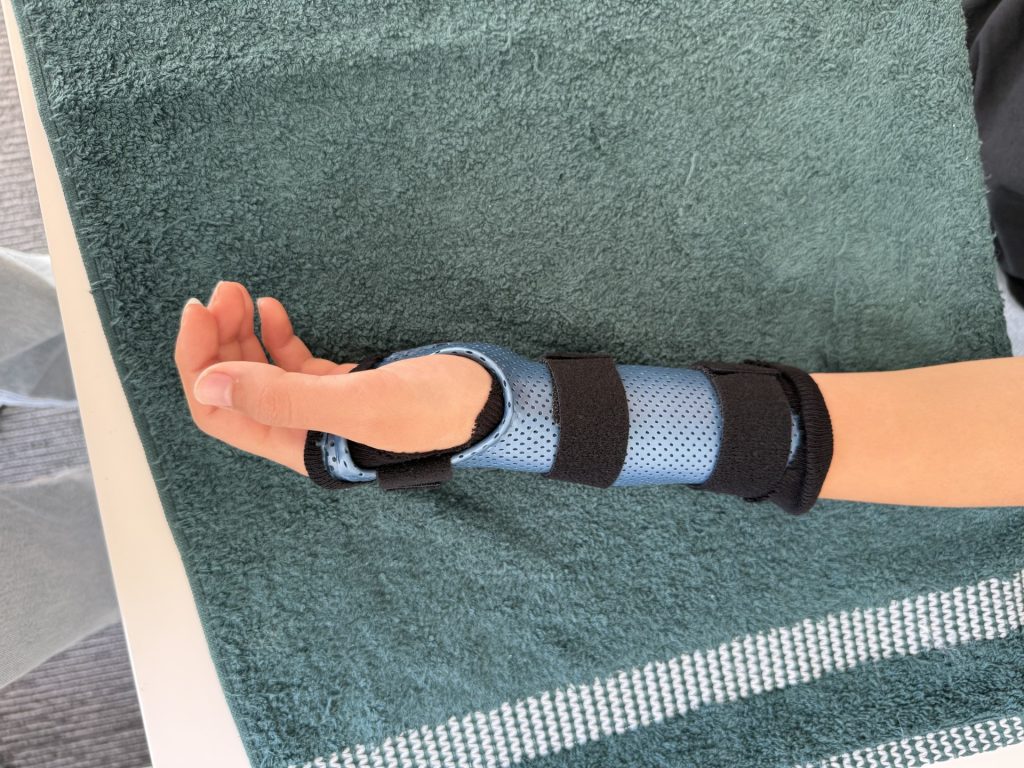
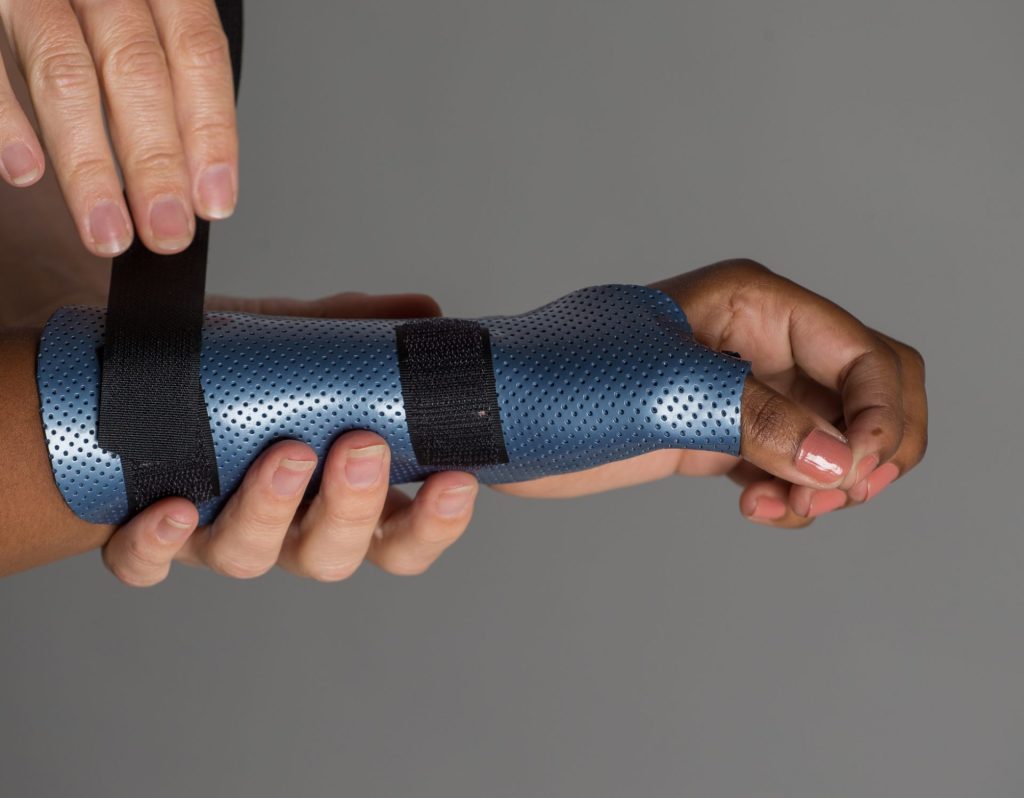
Splints and casts both hold an injured area still so that bone and soft tissue can heal, yet they work in slightly different ways. Healthify, New Zealand’s health information service, explains that a splint or brace supports the injured area without wrapping all the way around the limb, while a cast is a hard protective covering made from plaster or fibreglass that encloses it fully.
In practice, this means:
- A splint allows some movement and can be adjusted as swelling changes
- A fracture cast provides rigid, all-round protection while a broken bone heals
- Some injuries are treated with a splint first, then a cast once the swelling settles
The right choice depends on your injury, your stage of healing, and your daily demands. A cast for a broken arm, a broken finger cast, and a thumb splint for a ligament injury all do quite different jobs, which is exactly why personalised fitting matters.
Why Size and Fit Matter So Much
A splint or cast that fits poorly can work against your recovery rather than for it. Too loose, and the injured structures are not properly supported, which allows unwanted movement at the healing site. Too tight, and it can restrict circulation, irritate the skin, and make swelling worse.
A custom-made splint is moulded directly to your hand, wrist or arm, which means:
- Pressure is spread evenly, with no rubbing or pressure points
- The injured area is held in the precise position needed for healing
- Bony prominences and sensitive areas are protected
- The splint stays secure during everyday activities
- Adjustments can be made as swelling reduces and healing progresses
Hands come in every shape and size, and so do injuries. Whether you need a cast for a fractured hand or a small splint for a single finger, accuracy of fit directly influences your comfort, your healing position, and your long-term function.
Function: Splints Designed for Daily Life
Protection is only half the story. A well-designed splint should also let you live your life as normally and safely as possible while you heal.
Complete rest is rarely the goal. ACC highlights the value of active recovery after a sprain or strain, and a thoughtfully designed splint supports exactly that by protecting the injured structures while leaving healthy joints free to move. A wrist brace for a sprain, for example, can support the healing ligaments while still allowing your fingers to work at a keyboard.
When we design your splint, we consider:
- The specific structures that need protection
- Which joints can safely keep moving
- Your work, sport and home commitments
- How easily you can put the splint on and take it off
- Comfort for all-day or overnight wear
The result is a splint that works with your routine rather than against it.
Waterproof Options for Everyday Comfort
Anyone who has tried to shower with a plastic bag taped over their arm knows how frustrating a traditional cast can be. Modern materials have changed this considerably.
At Auckland Hand Rehab, waterproof splints and casts are available for many injuries, which can make a real difference to daily independence. Rather than relying on a wrist cast cover or a broken wrist waterproof cover from the chemist, a purpose-made waterproof cast lets you shower, wash dishes and in many cases even swim, all while your injury stays protected.
Waterproof options are particularly valuable for:
- Parents juggling bath times and busy households
- Children who love water play and swimming lessons
- Workers in wet or messy environments
- Anyone who wants to maintain normal hygiene with less hassle
Suitability depends on the injury, so we will always advise whether a waterproof option is right for your situation.
When You Might Need a Splint or Fracture Cast
Splints and casts are used across a wide range of upper limb injuries and conditions. You might be fitted with one as part of:
- Broken hand treatment, including finger, thumb and metacarpal fractures
- Wrist sprain treatment, where a wrist sprain splint protects healing ligaments
- A cast for a broken bone in the wrist or forearm
- Arthritis management, with supportive splints that ease painful joints
- Recovery after hand or wrist surgery
- Tendon conditions such as de Quervain’s syndrome
If you have a recent injury, our urgent care service means you can come straight to the clinic without a referral or GP visit. We can assess your injury, register it with ACC, arrange x-rays if needed, and fit a custom splint or fracture cast on the spot.
Custom Splints and Casts in Auckland
Every splint we make at Auckland Hand Rehab is fabricated on site by experienced hand therapists, moulded to your anatomy and adjusted as your healing progresses. Specialist hand therapy in Auckland is about far more than the splint itself, as your fitting comes with clear guidance, a structured rehabilitation plan, and ongoing support until you are back to full function.
If you need a splint, a cast, or simply advice about an injury that is not settling, we are here to help. Learn more about our custom splints and casts, or contact our team today to book an assessment.